
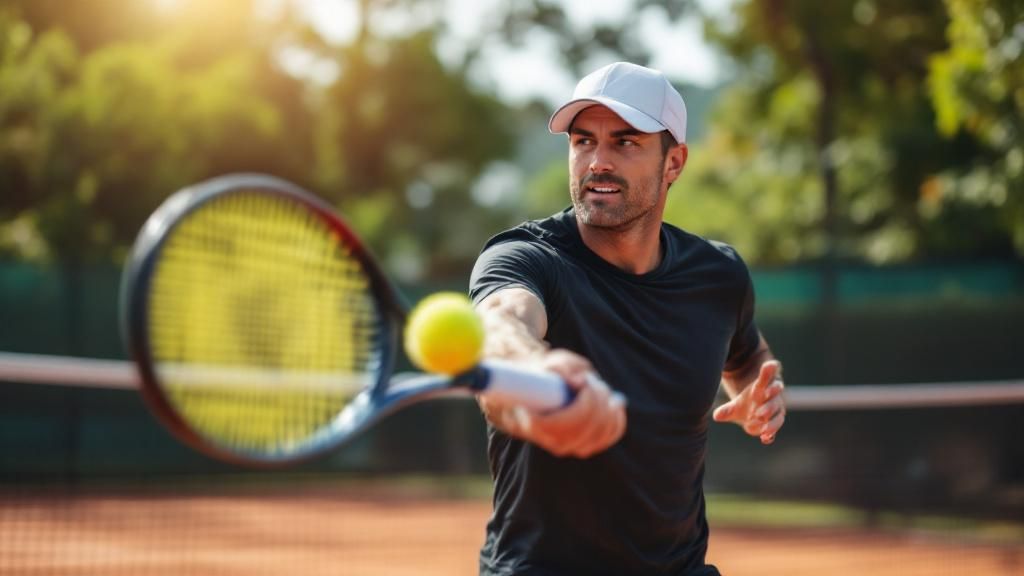
Iga Swiatek has enlisted Francisco Roig, the loyal mentor who guided Rafael Nadal through 22 Grand Slam victories, as her latest coaching addition in a push to restore her French Open dominance. The Polish top-four ranked player, who has won four of her six Grand Slam titles at Roland Garros, made the announcement on Instagram this week after ending her partnership with Wim Fissette following poor early-season performances. Swiatek, 24, has already begun working with Roig at Nadal’s academy in Majorca, with the Spanish legend himself giving personal coaching as she prepares for next month’s clay-court event in Paris. The partnership marks a notable change in approach for the Wimbledon champion, who faced challenges in 2026 with quarter-final eliminations at both the Australian Open and Indian Wells.
A strategic move for the Polish champion
Swiatek’s choice to bring in Roig represents a fundamental recalibration of her approach to the game. After going through both tremendous highs and crushing lows under Fissette’s guidance, the 24-year-old is pursuing a new outlook from someone intimately familiar with sustained excellence on clay. Roig’s 17 years working with Nadal gives him unparalleled insight into the tactical refinements and mental resilience needed to excel at the highest level. Having recently coached Emma Raducanu, Roig has also shown his ability to work successfully alongside varied approaches and temperaments, making him a perfect match for Swiatek’s current needs.
The timing of this coaching transition is crucial, as Swiatek aims to reclaim the reliability that made her a four-time French Open champion between 2020 and 2024. In recent months, she has recognised a propensity for excessively aggressive, erratic striking when facing pressure—a shift away from the court steadiness and shot precision that formerly defined her play. By training at Nadal’s academy with the greatest clay-court player himself offering counsel, Swiatek hopes to recalibrate her mentality and return to being “a rock on the court,” as she described her ideal playing style to Polish media.
- Roig recognised for coaching breakthroughs throughout Nadal’s 22 Grand Slam victories
- Swiatek previously contacted Nadal seeking technical guidance after Fissette’s departure
- Focus on baseline stability instead of aggressive hitting under pressure
- French Open starts in the coming month as primary target for Swiatek’s return
Why Roig constitutes the ideal fit
The Nadal relationship and technical proficiency
Francisco Roig’s credentials are rarely equalled in the world of coaching. His 17-year collaboration with Rafael Nadal afforded him an deep knowledge of how to maintain peak performance across different court types, but especially on clay courts where the Spanish legend reigned supreme. During Nadal’s extraordinary career, which resulted in 22 Grand Slam titles, Roig was key to implementing the tactical modifications that ensured continued competitiveness against developing rivals. His partnership with Nadal’s principal coaches—uncle Toni Nadal and later Carlos Moya—positioned him as the architect of tactical innovations that characterised one of the greatest careers in sporting history.
What distinguishes Roig apart is his proven ability to apply that high-performance expertise to different athletes with unique on-court methods. His latest five-month stint coaching Emma Raducanu illustrated his versatility and capacity to coach players operating outside the clay-specialist sphere. For Swiatek, this blend of profound clay experience and flexibility with different playing profiles makes him exceptionally positioned to address her present technical and psychological challenges while respecting the foundation she has already built.
Nadal’s direct participation in Swiatek’s coaching transition underscores the significance of this working relationship. The 24-year-old Polish champion has earlier consulted the Majorcan’s guidance during critical moments, and his recommendation of Roig commands considerable influence. By working at Nadal’s facility with the icon delivering immediate feedback, Swiatek secures a support system that connects institutional knowledge with bespoke guidance, creating an environment conducive to reclaiming the consistency that positioned her a commanding French Open power.
Swiatek’s current challenges and moving forward
| Tournament | Result |
|---|---|
| Australian Open 2026 | Quarter-final exit |
| Indian Wells 2026 | Quarter-final exit |
| Miami Open 2026 | First-round loss |
| French Open 2025 | Semi-final defeat to Aryna Sabalenka |
Swiatek’s 2026 campaign has been distinctly variable, a significant divergence from the superiority she displayed between 2020 and 2024 when she won four French Open titles. The quarter-final departures at both the Australian Open and Indian Wells exposed underlying vulnerabilities in her game, whilst her first-round elimination at Miami in March necessitated an urgent review of her coaching team. These results have raised concerns about whether her latest Wimbledon victory represents a sustainable shift in her capabilities or just a passing victory. The timing of Roig’s arrival is intentional, with the French Open—historically her stronghold—now less than a month away.
In recent interviews, Swiatek has expressed her desire to return to being “a rock on the court,” a philosophy that speaks to her recent tactical shortcomings. Rather than depending on wild, aggressive hitting when pressure mounts, she intends to rediscover the baseline stability and consistency that defined her earlier success. This approach involves forcing opponents into mistakes through prolonged exchanges rather than pursuing high-risk winners. Roig’s technical expertise in building sustainable, pressure-resistant tactical strategies aligns perfectly with Swiatek’s expressed goals, offering a pathway to reclaim the mental strength and fortitude that established her as a dominant clay player.
Re-establishing foundational stability and accuracy
Swiatek’s strategic shift under Roig is built around a core philosophy: baseline dominance rather than dependence upon aggressive shot-making. This represents a conscious rejection of the high-risk tactics that have undermined her performances in the past few months, especially in pressure situations. By reestablishing her position as a dependable presence from the back of the court, Swiatek seeks to wear down opponents through prolonged exchanges and positional control. The strategy echoes the methodology that defined her earlier success, where methodical play worked together to extract mistakes from opponents. Roig’s coaching expertise, honed through almost twenty years working with Nadal, makes him perfectly suited to refine this foundational aspect of her game.
The psychological dimension of this tactical recalibration is highly significant. Confidence at the baseline produces composure during critical moments, enabling players to rely on core skills rather than pursuing desperate winners. Swiatek’s admission that she wants to become “a rock on the court” reflects an understanding that sustainable success requires consistency rather than spectacular shot-making. Roig’s expertise lies precisely in this domain—constructing game plans that emphasise steadiness whilst maintaining competitive edge. By focusing on depth, angle variation, and court positioning, Swiatek can gradually rebuild the defensive resilience that previously made her nearly impenetrable on clay surfaces, particularly at Roland Garros.
The advantage on clay courts
Clay courts have historically amplified Swiatek’s strengths, and this court-tailored skill forms a cornerstone of her working relationship with Roig. The reduced speed of clay allows for prolonged exchanges that favour baseline specialists, validating the accurate movement and resilience that exemplify her optimal game. Swiatek’s quartet of French Open victories between 2020 and 2024 showcase her exceptional capability on this surface, yet her recent semi-final setback to Aryna Sabalenka—where she was whitewashed in one set—implies her clay-court superiority has turned fragile. Roig’s experience navigating Nadal’s clay-court mastery offers invaluable insights into maintaining superiority on this challenging court whilst adapting to evolving competitive pressures.
