
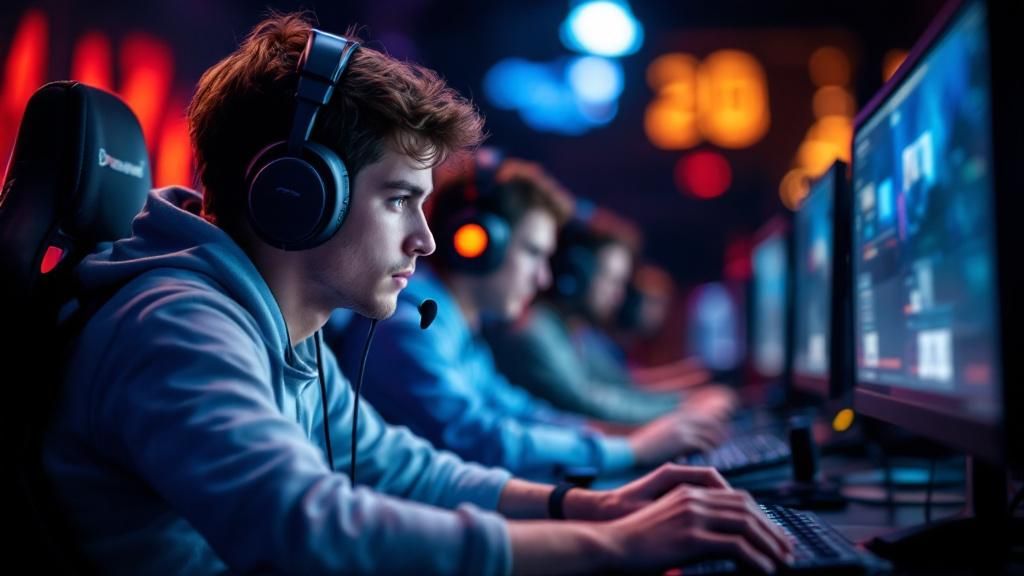
The esports industry has undergone a remarkable transformation, with professional teams now acknowledging that competitive gaming demands more than exceptional skill and reflexes. Mental health has become a essential component of player performance and wellbeing, prompting top teams to invest substantially in psychological support services. From specialist mental health professionals to customised wellbeing initiatives, this article explores how top esports teams are developing robust mental wellbeing strategies, tackling burnout, anxiety, and the unique pressures of professional gaming.
The Increasing Significance Of Mental Wellbeing In Competitive Gaming
The esports landscape has experienced a significant shift in recent years, with psychological wellbeing emerging as a cornerstone of professional success. Elite esports organisations now acknowledge that sustained peak performance requires psychological resilience alongside technical skill. Players encounter intense demands, including intense competition, worldwide attention, and demanding practice schedules. Consequently, progressive organisations have begun prioritising mental wellbeing as central to their competitive strategy, recognising that a player’s psychological state directly affects their competitive output and career duration within the profession.
Professional esports offers distinct mental health pressures that differentiate it from traditional sports. The sedentary nature of gaming, combined with extended screen time and lack of social interaction, produces distinct mental health concerns. Players often experience performance anxiety, particularly during major competitive events where significant financial stakes and lucrative sponsorships hang in the balance. Additionally, the relatively young demographic of esports professionals means quite a few possess insufficient the maturity and coping mechanisms to manage such high-level stress. Teams investing in mental health support recognise these distinctive challenges and customise their support strategies, making certain players receive appropriate psychological care.
The negative perception surrounding mental health in gaming has conventionally hindered frank dialogue about psychological struggles. However, recent high-profile cases of player burnout and emotional breakdowns have driven substantive reform within the industry. Forward-thinking gaming teams now champion mental wellbeing publicly, showing that accessing mental health care signals resilience not fragility. This industry evolution has established as standard discussions regarding anxiety, depression, and stress management amongst athletes and support personnel. By destigmatising mental health discussions, leading teams foster settings where players are at ease accessing support before problems escalate.
Funding for mental health infrastructure demonstrates esports’ maturation as a professional industry. Leading organisations now retain dedicated mental health professionals, mental performance coaches, and wellness coordinators. These professionals work collaboratively with players to establish coping strategies, manage stress, and maintain psychological equilibrium throughout gruelling competitive seasons. Furthermore, comprehensive wellness programmes often encompass physical conditioning, nutritional guidance, and sleep optimisation, recognizing that comprehensive health supports mental resilience and consistent performance excellence.
The economic effects of disregarding psychological wellbeing are substantial for esports teams. Player fatigue leads to diminished results, higher staff attrition, and damaged team cohesion, thereby impacting tournament results and financial returns. Conversely, organisations investing proactively in psychological services see enhanced player retention, boosted team spirit, and demonstrably better event outcomes. This financial argument has won over even traditionally sceptical stakeholders that psychological support constitutes a sound investment rather than a non-essential addition, fundamentally reshaping how professional esports teams manage budgets.
Extensive Mental Health Initiatives In Elite Teams
Major esports organizations have established comprehensive psychological support frameworks that surpass conventional wellness programs. These comprehensive initiatives recognize that professional gamers face particular psychological demands, such as intense competition pressure, unpredictable working hours, and the constant scrutiny of digital communities. Leading organisations now retain specialist psychological experts, conduct routine psychological checks, and create supportive team environments where competitors can feel confident addressing mental health issues without concern about judgement or professional repercussions.
Professional Psychological Support Services
The inclusion of trained mental wellbeing experts within esports teams marks a significant shift in industry standards. Many elite squads now engage sports psychologists, therapeutic counsellors, and mental conditioning coaches who partner with players to establish coping strategies and resilience techniques. These specialists deliver one-to-one counselling, group workshops, and crisis intervention support, ensuring that players obtain prompt access to qualified help whenever psychological challenges arise during their professional playing careers.
Professional psychological support extends beyond traditional therapy, incorporating performance optimisation and mental conditioning techniques specifically designed for competitive gaming. Mental health practitioners collaborate with coaching staff to weave psychological training into daily practice schedules, helping players strengthen mental clarity, control nervousness, and sustain emotional stability during competitive events. This combined methodology guarantees that mental wellbeing becomes embedded within team culture rather than functioning as a secondary issue.
- One-to-one therapy sessions focusing on personal psychological concerns
- Performance anxiety support and anxiety relief strategies
- Rest quality enhancement and circadian rhythm regulation initiatives
- Drug and alcohol prevention and dependency assistance programmes
- Emergency response and urgent psychiatric support availability
Teams have recognised that preventative mental health measures are considerably effective than responsive treatments. Routine psychological screenings help detect developing problems before they escalate into significant psychological emergencies, permitting specialists to introduce early intervention strategies. This preventative method reduces player burnout, limits performance interruptions, and creates safer team environments where psychological health receives equal priority to physical conditioning and tactical preparation.
The presence of specialist mental health staff also establishes as standard psychological support within esports culture, encouraging players to access support without facing stigma or criticism. By showing institutional dedication to mental wellbeing through qualified personnel, teams signal that psychological health matters equally to competitive performance. This cultural shift has been crucial in reducing stigma, enhancing willingness to seek assistance, and building stronger team unity through shared commitment to overall player mental health and support.
Consequences And Outlook Ahead
The investment in mental health support by professional esports teams is already yielding measurable results. Players report improved performance consistency, decreased stress in high-stakes tournaments, and greater overall job satisfaction. Organisations have observed reduced player departures and enhanced team cohesion amongst squads with robust psychological support systems. These positive outcomes demonstrate that focusing on psychological wellbeing directly contributes to competitive success, challenging outdated perceptions that gaming performance relies solely on technical proficiency and mechanical ability.
Looking ahead, mental health support will probably become a standard expectation within professional esports. Sector experts expect further specialisation of psychological services, with organisations hiring esports psychologists with expertise in esports environments. As the industry develops and prize money grows, teams will increasingly recognise that extensive player support initiatives constitute essential investments rather than optional expenditures, ultimately reshaping the overall competitive ecosystem.
